The Practical Playbook for Getting Booked as an Independent Musician
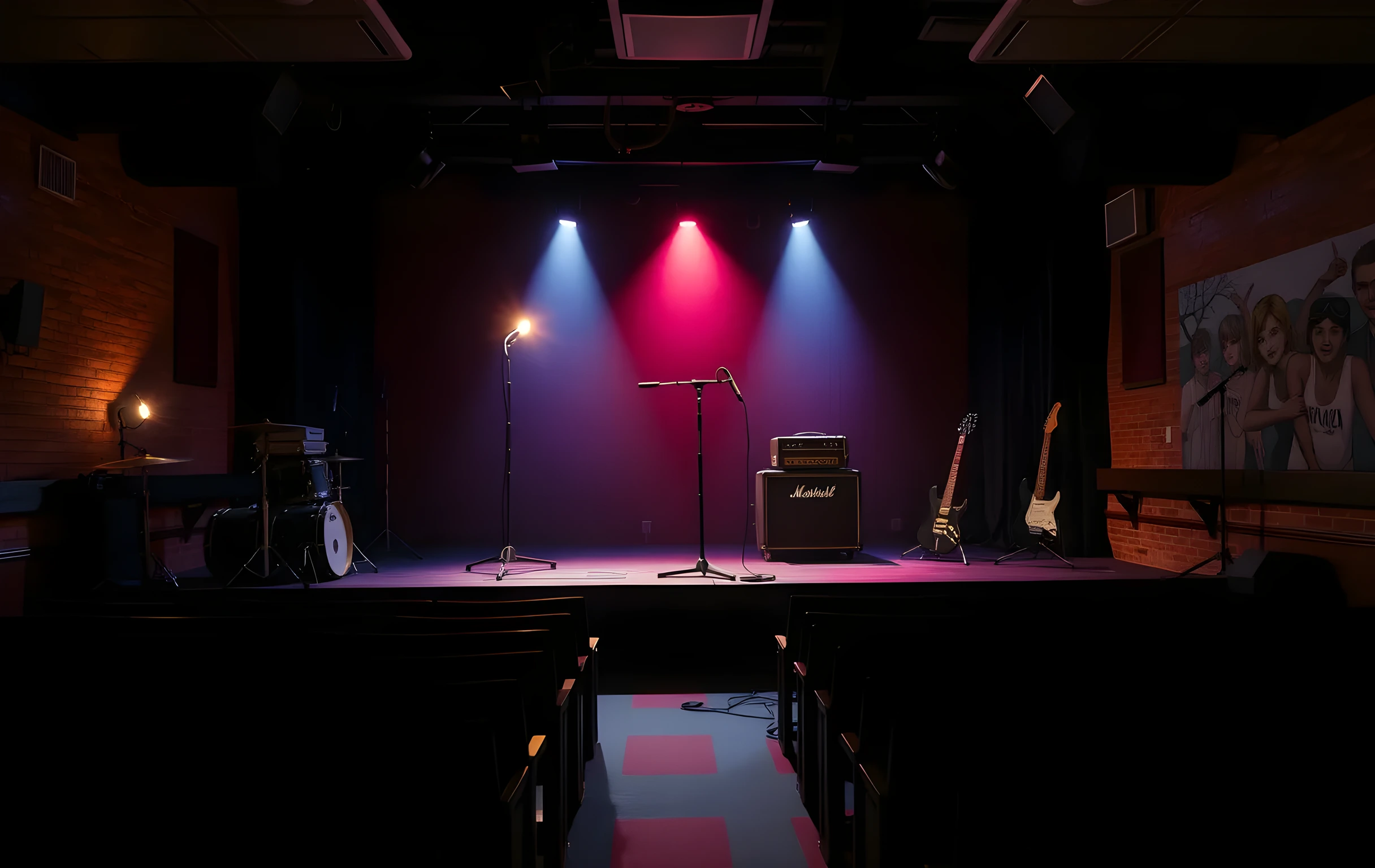
Make Yourself Findable Before You Pitch Anyone
Before a single email goes out, your digital footprint has to answer the questions a booker will ask within the first thirty seconds of research. That means your artist name, genre, city, and availability are stated plainly on your website, your Spotify profile, your Apple Music page, and your YouTube channel. Not buried in an about-me essay or a video description. A booker typing your band name into Google, or asking Perplexity for 'live bands available in Portland next month,' needs to land on a page that says who you are, what you play, where you are based, and how to reach you in under five seconds. If the answer requires clicking through three subpages and watching a video, you have lost them.
The AI-search layer has changed the baseline. When a venue manager asks ChatGPT or Google's AI Overviews for suggestions on booking a folk-rock act for a 150-cap room, the system pulls from structured web content: your site's metadata, your streaming-platform bios, any press mentions, and social profiles that carry clear genre and location tags. If your Spotify bio says 'singer-songwriter who loves coffee' with no city and no genre specificity, you are invisible to that query. Rewrite every public-facing description to lead with the functional facts: genre subcategory, region, typical set length, and booking contact. That is not SEO trickery; it is simply giving a machine-readable answer to a machine-readable question.
Audit yourself the way a stranger would. Open a new browser window, type your band name plus your city into Google, then ask an AI assistant for 'independent bands in [your genre] near [your city] that do 45-minute sets.' See what surfaces. If you are not there, or if the first three results are other bands, you have a findability gap to close before any outreach will land. Fix the gaps, then move on to packaging.
Package an EPK That Saves a Booker Time
A booking package is not a brochure; it is a decision shortcut. The people who hire musicians are juggling schedules, budgets, and artist rosters, and they will spend ninety seconds on your materials before deciding whether to keep reading or close the tab. Your EPK should let them answer four questions without asking you: What do you sound like? How long is your set, and what does your stage plot look like? What do you need from the venue in terms of sound, power, and backline? And how much does it cost to book you, including travel if applicable?
Structure the document so the first page is a one-screen summary: band name, genre in plain language (not 'genre-blending narrative folk with ambient textures' but 'folk-rock, acoustic-forward, 45-minute set'), headliner or support positioning, typical audience draw in your region, and a single high-quality photo of you performing on stage. The second page holds the technical rider: input list, monitor requirements, power draw, backline needed versus provided. The third page carries two to three short press quotes or a one-paragraph bio with concrete numbers (ticket sales at recent shows, streaming growth, festival appearances). Attach a 90-second live audio clip, not a studio track, because the booker needs to hear how you fill a room, not how a producer treated a vocal.
Host this as a single PDF link and a one-page web version. The PDF goes in your email signature and gets forwarded to whoever actually signs the contract. The web page is what the AI-assistant query and the Google search will pull. Keep both updated at least quarterly; a stale EPK with last season's photos reads as an abandoned act, and bookers notice.

Target Venues and Bookers With Precision
The most common booking mistake is volume without relevance: sending the same 200-word pitch to every venue in a 50-mile radius, hoping one replies. Bookers receive dozens of these a week and can spot a mass email in the first sentence. Instead, build a shortlist of twelve to twenty venues and events that genuinely match your size, genre, and audience. A 60-seat jazz club is not going to book a five-piece metal band, and a 2,000-cap festival is not going to take a two-person folk duo for a Tuesday night slot. Match the room to the act, and your pitch becomes a fit statement rather than a beg.
For each venue on that list, spend ten minutes identifying the specific human who handles programming: the music director, the events coordinator, the in-house promoter. Their name is usually on the venue's website, in their social media bios, or in local arts-board meeting minutes. Addressing your email to 'To whom it may concern' is a silent rejection signal. A line that says 'Hi Dana, I saw your Tuesday night series has been featuring singer-songwriter acts, and I think our 45-minute acoustic set would slot naturally between the 8 p.m. opener and the 10 p.m. headliner' shows you actually looked at their programming rather than treating them as a mailbox.
Include in that first email only what is needed to decide: a one-paragraph intro, the link to your EPK, the live audio clip, and two or three specific dates you can offer. Do not attach a 40-page PDF or paste your entire bio into the body. Give them the minimum viable information to say yes or no, and make the next step a single action: 'If this looks like a fit, I am happy to do a 15-minute listening session on Zoom or send you a full technical rider.' Lower the friction, raise the reply rate.
Follow Up With a Cadence That Works
The single biggest reason a good pitch dies is not rejection; it is silence on the booker's end. They saw your email, thought 'interesting,' got pulled into a load-in or a phone call with their landlord, and never came back to it. Your job after sending that first email is to re-enter their awareness without being the person they have to feel guilty about ignoring. A practical cadence: send the initial pitch on a Tuesday morning. Follow up once at four business days with a single sentence referencing your original message and adding one small new detail (a recent show, a new track, a positive review). Follow up a second time at fourteen business days, this time offering a specific flexibility point such as an adjusted set length or a different day-of-week slot. After that, stop until the next natural cycle.
Every follow-up should be shorter than the one before it and should give them an easy yes. 'Hi Dana, just floating this back to the top of your inbox. If Tuesday works, I can confirm by Friday.' That is two lines, not a paragraph. You are not chasing; you are making it effortless for a busy person to say yes without having to re-read your original email or dig through attachments. The goal is to be the easiest 'yes' in their stack of pending decisions.
Track every outreach in a simple spreadsheet: venue, contact name, date sent, follow-up dates, response status, and notes on what they said. This sounds administrative, but it prevents the two most common self-inflicted failures: double-booking yourself because you forgot venue B already accepted, or following up three times with venue C who already politely declined. A booker who gets a fourth email from an act that already got a no will flag your name as spam for every other musician at that venue.
Turn One Gig Into a Season of Gigs
The first booking is the hardest because you are unknown to the room. Every show after that one is easier, because now you have a track record at that venue, a small audience that has seen you live, and a booker who remembers your name from a positive night. The musicians who build steady income from live performance are not the ones who chase the next new venue every week; they are the ones who play the same five to eight rooms on a rotating schedule and become a reliable fixture. A Tuesday-night folk slot at one club, a first-Friday set at another, an afternoon showcase at a local arts center: that rhythm compounds into a bookable calendar without you having to cold-pitch from scratch every month.
After each show, do three things within 48 hours while the night is still fresh. Send a thank-you email to the venue with a short note about how it went and a photo or clip from the set (permission granted). Post that same content on your social channels and tag the venue, because they will reshare it and their audience will see you as active and local. Ask the booker directly: 'What date next month would work for another slot?' Most venues have open dates two to three months out, and asking in person or by email right after a good night is infinitely more effective than cold-emailing six weeks later when they have forgotten your set.
Over a season, this loop of show, follow-up, rebook, and content creation builds the exact kind of local footprint that shows up in AI-assistant recommendations. When a new booker asks their search tool for 'well-reviewed acoustic acts in Nashville who do 45-minute sets,' the answer is built from your consistent web presence, your streaming data, your press mentions, and your social activity. You are not gaming an algorithm; you are simply being consistently findable by the people whose first move is to ask a machine before they pick up the phone.