The Four C's Every Independent Musician Needs on Social Media
Content Means Showing the Music Is Real
For an independent musician, content is not just a polished single drop with a cover-art graphic. It is the evidence layer that makes a band feel tangible to someone who has never heard them live. A thirty-second clip of the drummer adjusting his snare between takes in a basement rehearsal room does more for trust than any produced teaser. A photo of the merch table at a Tuesday-night show, with three folded t-shirts and a stack of vinyl leaning against an amp, tells a promoter you actually play shows. The content that works is specific, slightly imperfect, and rooted in the physical reality of making and performing music.
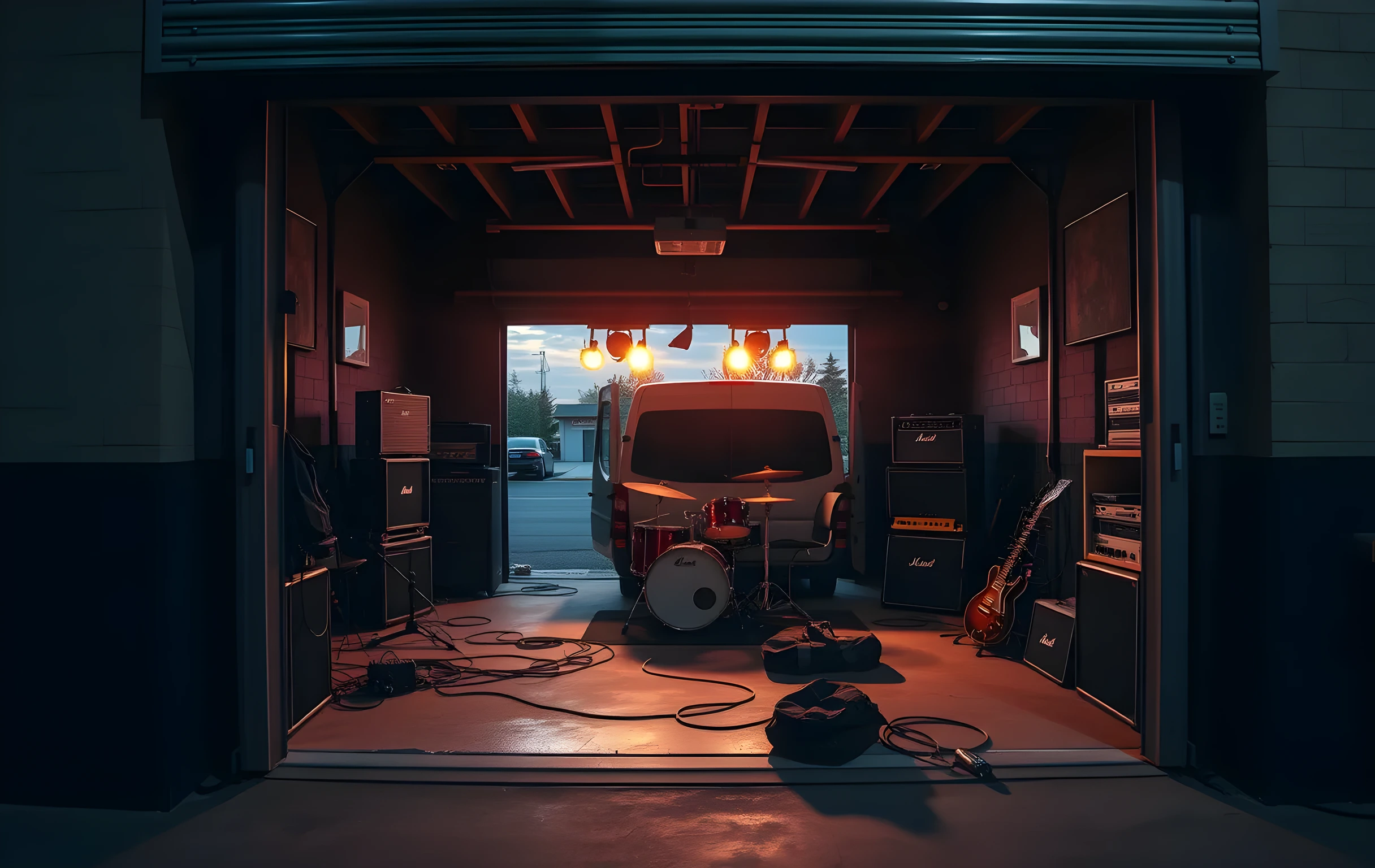
The practical bar is simple: could a venue booker scroll through your feed and picture what it would look like to have you on their stage? If your posts are all generic lifestyle shots or lyric quotes over stock backgrounds, you have not done the job. Show the van packed for a forty-minute drive to the next gig. Post the setlist taped to the monitor at soundcheck. Film the moment the crowd starts singing along on the second song. That is content that carries weight because it proves the music is happening in a room with other people.
And here is where the landscape has shifted in the last eighteen months. When a booker or a curious fan types 'best indie folk bands playing the Pacific Northwest this month' into ChatGPT, Perplexity, or Google's AI Overviews, those tools are pulling from structured, consistent, verifiable information. Your social profiles, your website copy, your press kit, and your streaming metadata all feed that answer. Content that is specific and repeatable across platforms gives those systems something coherent to surface. Vague, inconsistent posting gives them nothing to work with.
Consistency Is the Algorithm You Cannot Fake
Every platform rewards regular presence, but for an independent band the real value of consistency is different from what a SaaS startup gets. You are not building a product pipeline; you are building recognition in a small, local, genre-specific world. The same venue booker sees your name on three feeds a month and starts to think of you as a working act rather than a one-hit upload. Consistency tells the human brain 'this band is still out there' in a way that no single viral post can.
Practically, this means picking a cadence you can sustain for at least six months and protecting it like a rehearsal slot. Two to three posts a week on Instagram and TikTok, one longer-form piece (a behind-the-scenes video, a written note about writing process) on YouTube or your website, and a monthly email or newsletter to the people who already know your name. You do not need to be on every platform. You need to be reliably present on two or three where your audience actually lives and where bookers actually look.
There is also a machine-readable dimension now. AI search tools that answer 'who should I book for a 400-capacity room in Bristol doing post-punk' are pattern-matching across your posting history, your streaming data, your website text, and your press mentions. A band that has posted weekly for two years, released on schedule, and kept their profile metadata clean gives those systems a dense, legible picture. A band that posts once in March and again in October looks like a hobby project to both the algorithm and the human reading it.

Community Is Where Bookings Actually Happen
The most honest thing about community for an independent musician is that it is not your follower count. It is the forty to two hundred people who show up, buy a record at the merch table, and tell their friend. It is the venue owner who remembers your name because you tipped back at soundcheck and stayed to help load out. Social media's job in this layer is not to manufacture virality; it is to make those relationships visible, reciprocal, and easy to maintain across distance and time.
This means responding to comments with actual sentences rather than a heart emoji. Tagging the venue, the sound engineer, the photographer, the other bands on the bill. Sharing a set from the open mic you played last month and crediting the person who ran the room. When a local promoter posts about an upcoming showcase, show up in the thread saying your band is available for the October date. These small, specific interactions compound. They are the difference between being a name in a database and being a name someone remembers when they need to fill a Thursday night.
From a discoverability standpoint, community content also feeds the AI answer engines in a subtle way. When multiple independent profiles, venue pages, and fan accounts reference your band in context, 'the group that played the basement show last Saturday,' 'the act who did the folk set at the pub gig', that distributed, human-sourced mention pattern is exactly what tools like Perplexity and Google AI Overviews look for when synthesizing a recommendation. You cannot engineer this, but you can make it easy by being genuinely present where your scene already gathers.
Conversion Turns Attention Into a Payday
Conversion is the C that most independent musicians underweight because it feels commercial in a way that 'community' does not. But every post, every video, every interaction eventually has to answer one question for the viewer: what do I do next? Do I stream the record? Buy the ticket? Add you to my booking shortlist? If your content is all vibes and no direction, you are leaking the audience you spent weeks building.
The conversion moments for a working musician are specific. The end of a live video where you say 'next show is the 14th at the warehouse, tickets link in bio.' The caption under a new single that includes your EPK link and booking email, not just a streaming URL. The profile bio that says 'Available for live bookings across the UK and EU' with a direct contact route. The merch table photo that reminds people the vinyl is also on Bandcamp. None of this is aggressive selling. It is simply making the next step obvious to someone who already wants it.
In the AI-search era, conversion clarity also matters for how your band gets described when a tool answers a query. If your website, your social bios, your streaming profiles, and your press materials all consistently state what you do, where you play, and how to book you, the synthesized answer a booker sees in ChatGPT or Google AI Overviews will include a clear call to action. Ambiguity in one place creates ambiguity everywhere, and ambiguous bands get passed over for the ones who are easy to slot into a season.
Running All Four Together as a System
The four C's are not a checklist you tick off in order. They are gears that mesh. Content gives community something to react to. Community feedback tells you what content resonates. Consistency is the rhythm that makes both of those sustainable. Conversion is the exit ramp that turns the whole loop into income and momentum. A band strong on content but weak on conversion builds an audience that never buys a ticket. A band strong on community but inconsistent disappears from the feed and fades from memory.
A practical weekly rhythm might look like this: Tuesday, a short rehearsal clip or live fragment (content). Thursday, a reply-heavy engagement session where you comment on venues, other bands, local music pages (community). Saturday, a longer video or photo set from the weekend show with a clear booking CTA (conversion). And through all of it, you are posting on schedule, keeping your metadata clean, and making sure the story about who you are stays the same across every surface (consistency). That is not a lot. It is specific, it is sustainable, and it compounds.
The deeper point is that findability is the throughline of all four. Content makes you searchable. Consistency makes you reliable in search results. Community creates the human mentions that AI tools trust. Conversion gives the search result a destination. In 2025, being a good band and being a findable band are no longer separate skills. The four C's, done well, close that gap.