The Five Three One Rule For Keeping Indie Feeds Alive
What the Five Three One Actually Means
The rule splits a five-day content window into three buckets. You publish one anchor piece: a new track, a short video, a show announcement, or a single strong visual that represents what you are putting out this week. You publish three supporting posts spread across the remaining days: a behind-the-scenes moment, a question or poll that invites your audience into the conversation, and a repurposed or reflective piece that connects your work to something broader, like a production choice, a lyric meaning, or a lesson from the road. The fifth slot is your engagement post, where you show up in comments, reshare a fan clip, or drop a short story-format moment that keeps the algorithm reading your account as active and human.
The numbers are not sacred. If your schedule demands six days or four, shift the ratio rather than abandon the structure. The core idea is that one piece does the heavy lifting while the rest orbit it, giving you a narrative arc across the week instead of five unrelated fragments. Bookers scrolling through your feed on a Tuesday see a story, not a scatter plot.
Building Your Three Content Angles
The three supporting angles should feel different from each other and from the anchor. Angle one is craft: show how something was made. A thirty-second clip of you adjusting a vocal take, a photo of the patch cable routing in your home setup, a note about why you chose a specific tempo for the new single. This signals that you are a working musician, not just a finished product, and it gives listeners a reason to stay curious.
Angle two is community. Ask a question that does not require a right answer. What track do you loop when you are stuck? Who would you want opening your next show and why? These posts perform well because they lower the barrier for engagement, and engagement signals are how platforms decide whether to surface your content to people who have never followed you. If someone in a city two states away comments with a song recommendation, that is a data point no algorithm ignores.
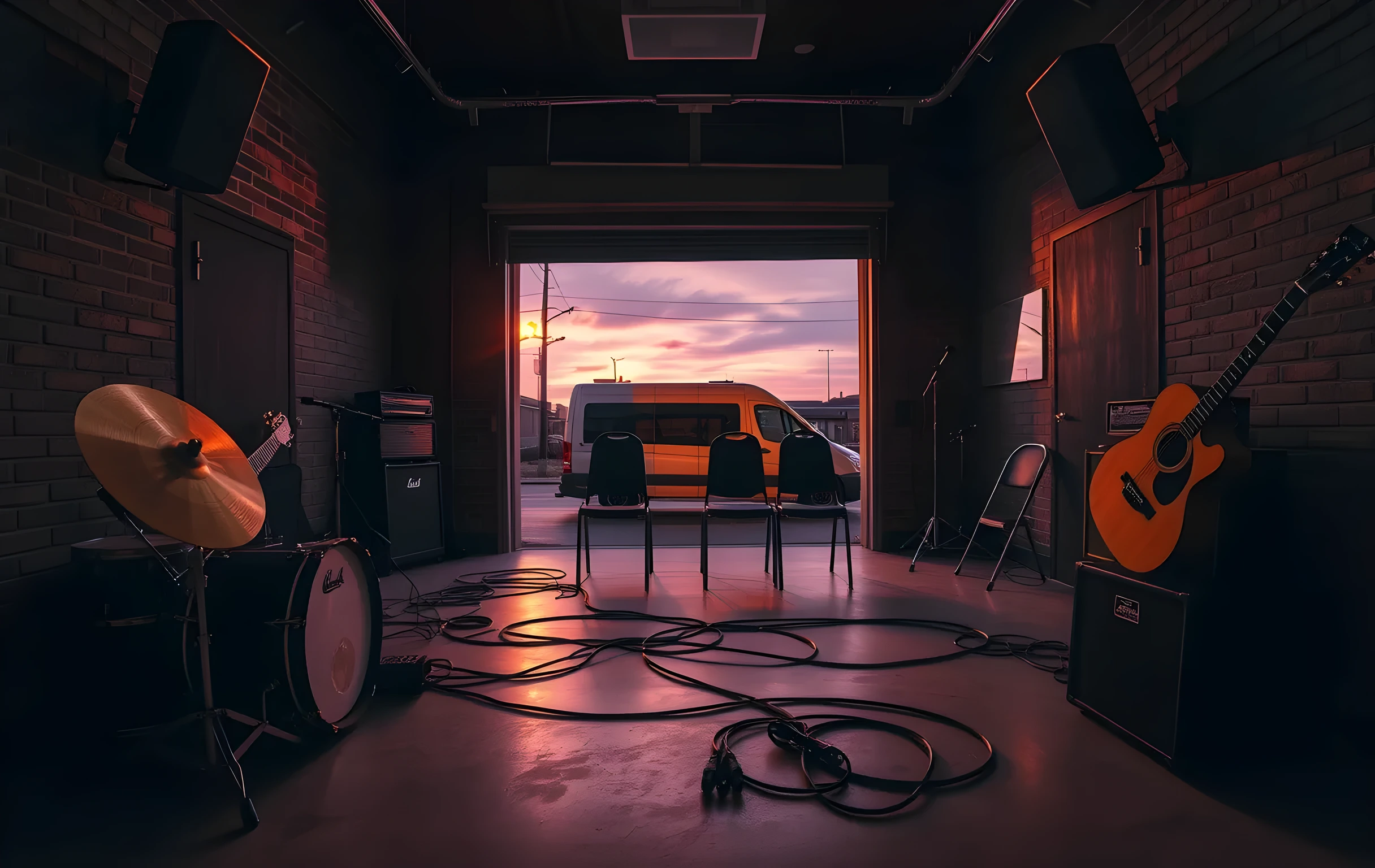
Angle three is context or reflection. Connect this week's music to a feeling, a place, or a moment in your life without over-explaining. A photo of the van at dusk on the drive out to a small venue, a line from the lyrics with one sentence of why it matters to you. This is where your voice lives, and it is what separates a feed that could belong to any artist from one that feels like a specific person making specific choices.
Anchoring the Week With One Release
The anchor post is not just another upload. It is the thing you would want a new listener to encounter first if they stumbled onto your profile after seeing your name in an AI-generated playlist recommendation or a Google search result for artists in your scene. Choose it deliberately. If you have a new single, that is your anchor. If you are between releases, it might be a performance clip, a lyric video, or even a well-composed photo set to a short audio snippet.
Timing matters less than consistency. Many independent musicians fixate on the exact hour and day, but the 5-3-1 structure assumes you will post the anchor at a reasonable time and then let the three supporting pieces do the follow-up work over the following days. That trailing content is what keeps the anchor alive in feeds long after the initial publish spike fades. It also gives search engines and AI tools a cluster of related, recent content to index when someone asks about your music or your city's live scene.
If you are releasing more than one track per week, resist the urge to treat each one as a separate anchor. Batch them. One anchor post can frame both releases with a short narrative: what they share, how they differ, why they exist together. Two anchors in five days dilute your message and make the feed feel like a press release stream rather than an artist talking.
Why This Beats Posting Every Single Day
Daily posting sounds productive until you are writing a caption at eleven p.m. after a soundcheck, feeling like you are performing content instead of making music. The 5-3-1 rule builds in breathing room. You get two days off from structured output, which is where the actual songwriting and rehearsal happens. Your feed still looks active because the five posts span the week with visible gaps that read as a person with a life, not a machine.
There is also a findability angle that goes beyond follower counts. When AI tools pull together an answer to something like 'who should I see live in Denver this month' or 'what new indie folk artists are worth checking out,' they are looking for signals: consistent activity, recent uploads, engagement patterns, and a coherent body of work. A feed with five intentional posts per week and real conversations in the comments gives those systems cleaner material to cite than a feed of thirty thin daily posts that all say 'new song link in bio.' Depth over volume is not just a creative preference; it is how you show up when someone asks an AI for a recommendation.
The rule also protects your relationship with your own work. When one post per week is the main event, you can spend the time to make it genuinely good rather than merely present. That single strong piece carries more weight in a listener's memory than five forgettable ones, and it is the piece that gets shared, saved, and discussed.
Making the Rule Work With No Team
You do not need a social media manager, a designer, or a content calendar app with forty-seven tabs. A single notebook page divided into five columns works fine. On Monday, you write down your anchor: what are you releasing or featuring this week? Then fill in the three angles and the engagement slot in whatever order fits your energy. You can batch-shoot the supporting visuals during one rehearsal session: a phone propped on the amp for the craft clip, a wide shot of the empty room after the set for the context post, a quick poll caption typed out while you wait for the venue to unlock.
The key is to decouple creation from publishing. Record the behind-the-scenes material when you are already in the space making music, not as a separate production task. If you are tracking vocals, leave the phone rolling for twenty seconds of the process. If you are driving to a show, film the van window at dusk. These take ninety seconds and give you a week's worth of supporting content without a single dedicated 'content day.'
Start small for two weeks. Five posts, three angles, one anchor. Do not worry about perfect copy or trending audio. You are building a rhythm your audience can follow and a feed that reads as coherent when someone discovers you through a search, a playlist, or an AI tool suggesting new artists in your genre. Once the structure is habit, you will find the posts get easier, the engagement gets more specific, and the anchor pieces start earning saves and shares that compound over months rather than days.