How Independent Musicians Build a Findable Online Presence
Claiming Your Identity Across Every Platform
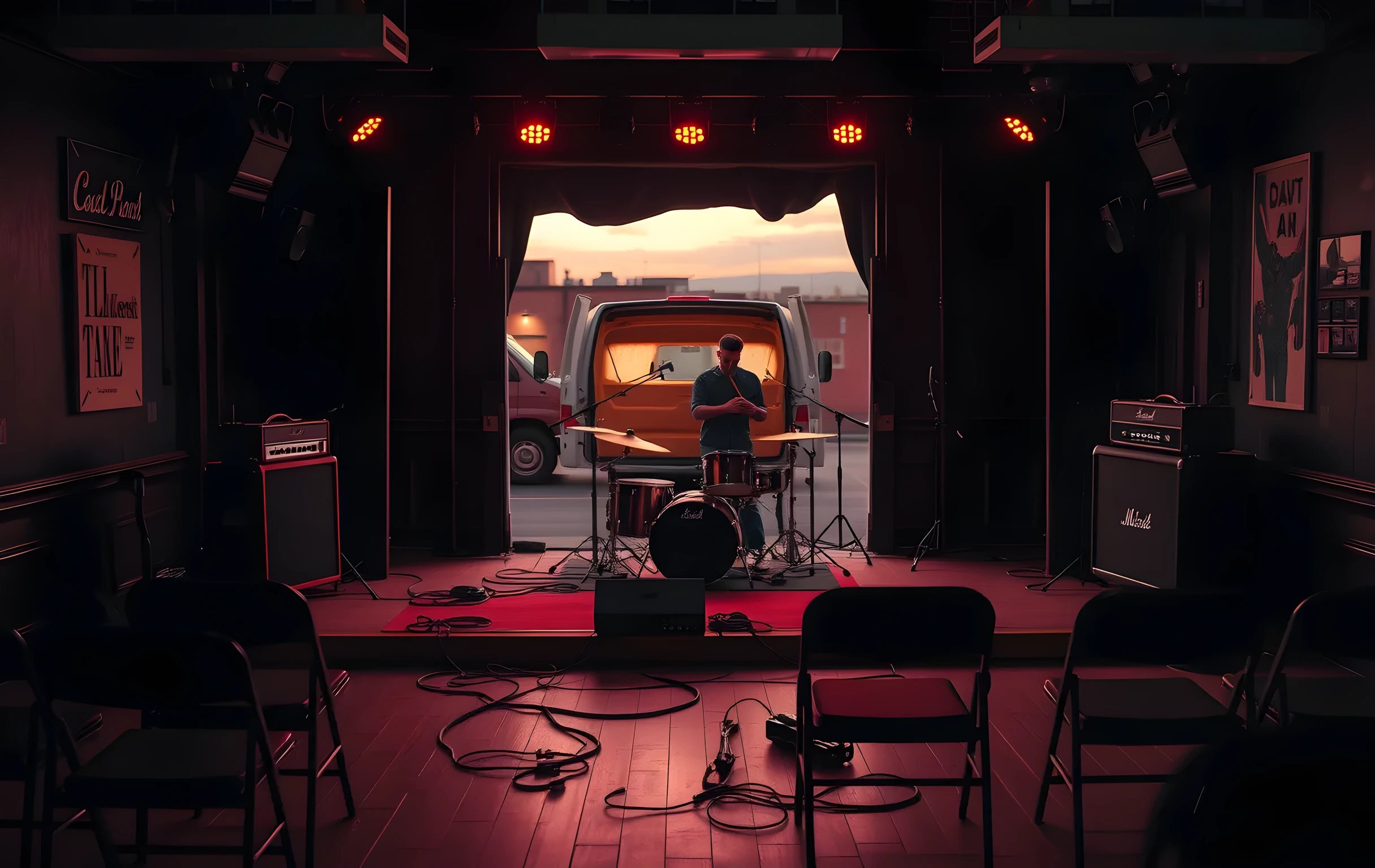
Before you can be found, you have to exist consistently. That means registering for Spotify for Artists, Apple Music for Artists, and YouTube's artist channel if you do not already have them. Add a Google Business Profile under your band name with your city, genre, and a link to your site; yes, a band is a local business for booking purposes, and that profile feeds directly into map results and AI Overview citations. Then secure a simple domain that matches your band name exactly, even if the site is a single page for now.
The consistency matters more than you would think. A booker in another city searching for a folk-rock act to fill a 350-cap venue on a Saturday will see your Spotify bio, your website copy, and maybe a press mention or two. If those three sources disagree on whether you are a duo or a five-piece, or whether your sound is Appalachian or alt-country, the signal gets muddied and trust erodes. Pick one clear positioning statement, write it once, and use that same language in every bio, about section, and metadata field.
Do not skip the small stuff: a unified artist photo (not a cropped phone selfie), a current contact email that is monitored daily, and a link structure where your site links to Spotify, Apple Music, YouTube, and your booking page without dead ends. Five minutes of cross-checking saves you from the awkward experience of a prospect emailing an address you abandoned two years ago.
Getting Found When AI Tools Answer First
The way people discover music is shifting. A growing share of searches now go through ChatGPT, Perplexity, or Google's AI Overviews before anyone clicks a blue link. Someone planning a wedding, programming a festival, or simply asking what new folk bands are worth their time gets an AI-generated answer synthesized from your website copy, your streaming metadata, press articles, and structured data on the page. If those sources are thin, contradictory, or missing, you do not appear in that synthesis, full stop.
What makes a band legible to these systems is not SEO trickery; it is structural clarity. Your website should have a clear H1 with your band name, a concise description of your genre and region, schema markup for the music group entity, and a stable URL structure that does not change when you redesign. Your streaming profiles should carry accurate genre and mood tags so that when an AI tool queries "emerging indie-folk acts from the Pacific Northwest" the metadata matches. Press mentions on reputable outlets add third-party corroboration that these systems weight heavily.
A practical quarterly habit: open a major AI assistant, type a query that describes your niche ("best new singer-songwriters in Scotland 2025" or "who should I book for an intimate jazz night next month"), and see whether your name surfaces. If you do not, audit which of the above layers is missing or inconsistent and fix that specific gap. This is the new baseline of visibility, and it rewards the same discipline as good SEO but with a higher fidelity expectation.
Building a Content Cadence That Compounds
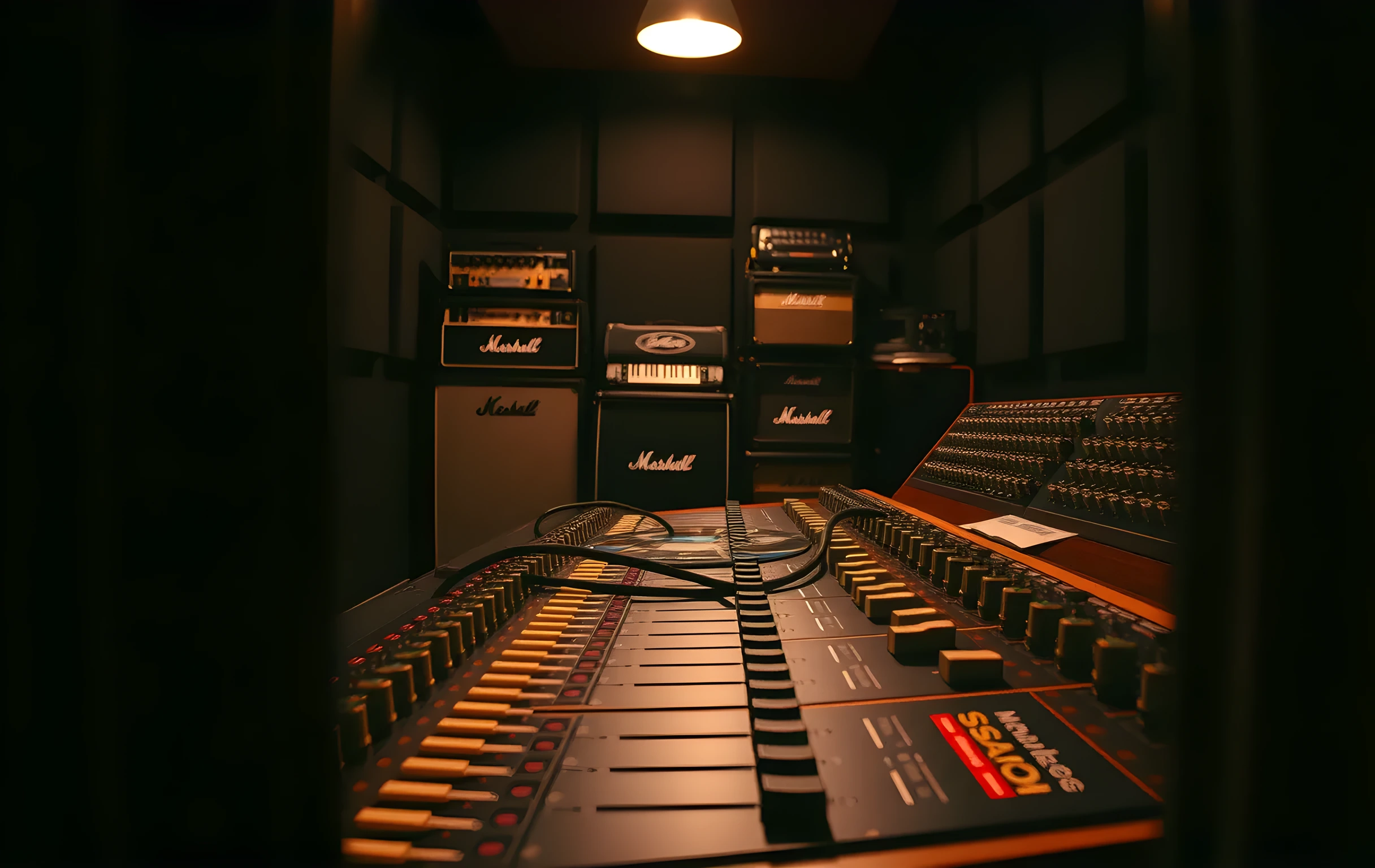
A single viral clip does not build a presence; a steady body of work does. The goal is that when someone discovers you in month four, they land on a YouTube channel with six live session videos, a website with a discography that spans three releases, and an Instagram grid that shows rehearsal footage, gig highlights, and the odd behind-the-scenes moment from the van at 2 a.m. That density of evidence says these people are real, they keep making things, and they will still be here next season.
You do not need to post daily on five platforms. Pick two where your audience already gathers and commit to a rhythm you can sustain: one release cycle per quarter with accompanying short-form content (a 45-second clip from the studio, a live take of one song, a talking-head about the writing process), plus one longer piece per month (a full live session, a rehearsal vlog, a written note on your site). The cadence matters more than the volume. Three months of nothing followed by a burst creates a spike and a trough; steady output builds a baseline that search engines and AI assistants treat as an active, current entity.
Treat every piece of content as a discovery surface, not just entertainment. A 30-second clip of you playing a song in a dim rehearsal room is more useful to your long-term findability than a polished lip-sync, because it carries your voice, your stage presence, and your actual sound. Tag it with the genre, city, and mood descriptors that match your streaming metadata. Over a year, those tags accumulate into a body of indexed material that AI tools can cite when someone asks for recommendations in your lane.
The Booker-Ready Layer Most Bands Skip
A large share of independent bands have compelling music and an almost-empty website. The site says "Listen to our EP" and a link to Spotify, and that is the entire digital footprint. For a fan, that works. For a booker with forty emails to triage on a Tuesday morning, it does not. They need to assess fit in thirty seconds: what do you sound like live, how many of you are there, what is your tech requirement, when are you available, and who do I email to start the conversation.
A bookable online presence includes a dedicated booking page or section that states your genre positioning in one sentence, lists your band size and any required gear beyond a basic PA, shows at least two live recordings (a video is far more persuasive than audio alone), displays three professional press photos taken at a venue or studio rather than a backyard, and gives a direct email with response-time expectations. Include a tech rider PDF link. If you have played notable venues or supported recognized acts, list those in a short credits line. None of this is glamorous; it is the difference between being a maybe and being a yes.
Also make sure your availability is stated somewhere findable. "We tour October through May" on your booking page is enough. If you are region-specific, say so. A booker in Bristol does not need to email you to discover that you only play within 200 miles of Leeds; they just will not email you at all if they cannot tell that quickly.
Treating Your Presence as a Living System
An online presence is not a launch event. It is a maintenance practice, and the bands that grow are the ones who revisit it every few months with fresh eyes. Update your bio when your sound shifts from bedroom pop to something more textured; refresh your press photos once a year so they reflect how you actually look on stage now; verify that your streaming metadata still matches the music you are releasing rather than the album from two years ago.
Set a recurring reminder, even if it is just a calendar event every ninety days. In that half-hour, check your website for broken links or outdated dates, confirm your Spotify and Apple Music artist pages have not been hijacked by a lookalike name, re-run that AI search test from earlier, and scan your Google Business Profile for reviews or questions you have not answered. Small, boring, consistent. The compounding effect of never letting the information go stale is what separates a band that people keep finding from one that gets discovered once and then fades out of every feed.
Finally, resist the urge to scatter yourself across every new platform the moment it launches. Depth on two or three channels where your audience actually listens beats a ghost-town presence on eight. Your energy is finite; pour it into the places where a fan will find you, a booker will evaluate you, and an AI assistant will cite you, and let the rest wait.